Minamisenju Notebook
A Pocket Guide · みなみせんじゅ · Arakawa, Tokyo
みなみせんじゅ
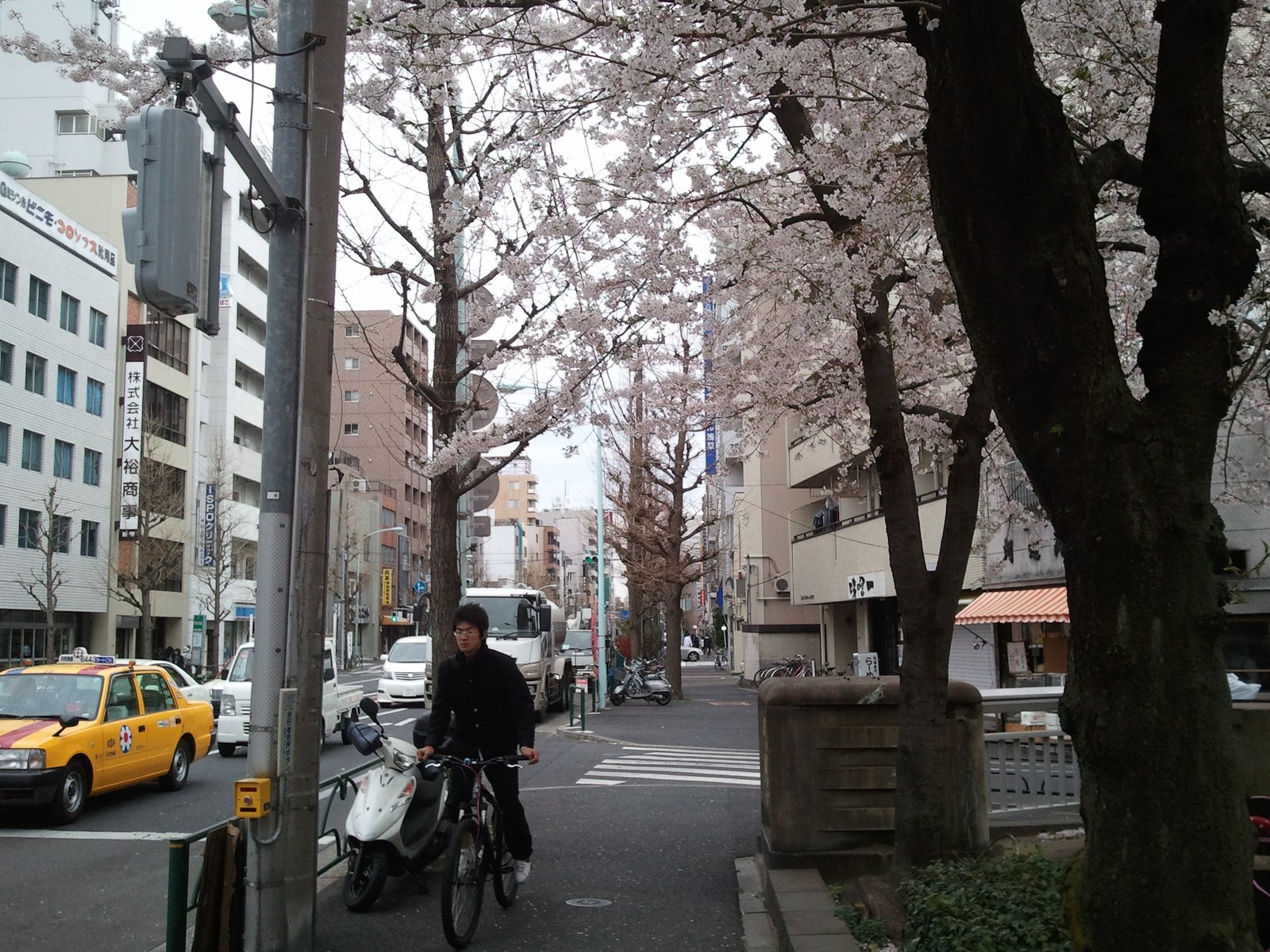
A street in Minamisenju under cherry blossoms
Minamisenju, early April
A small neighborhood in northeast Tokyo. Old Tokyo, on a budget. This notebook is for the kind of traveler who'd rather sleep in a ¥3,500 capsule than a ¥20,000 hotel, and use the difference on the train and the food. The streets between the station and the river are where you start.
Days
14
on the road
Plans
0
days you've sketched
Packed
0 / 0
items checked
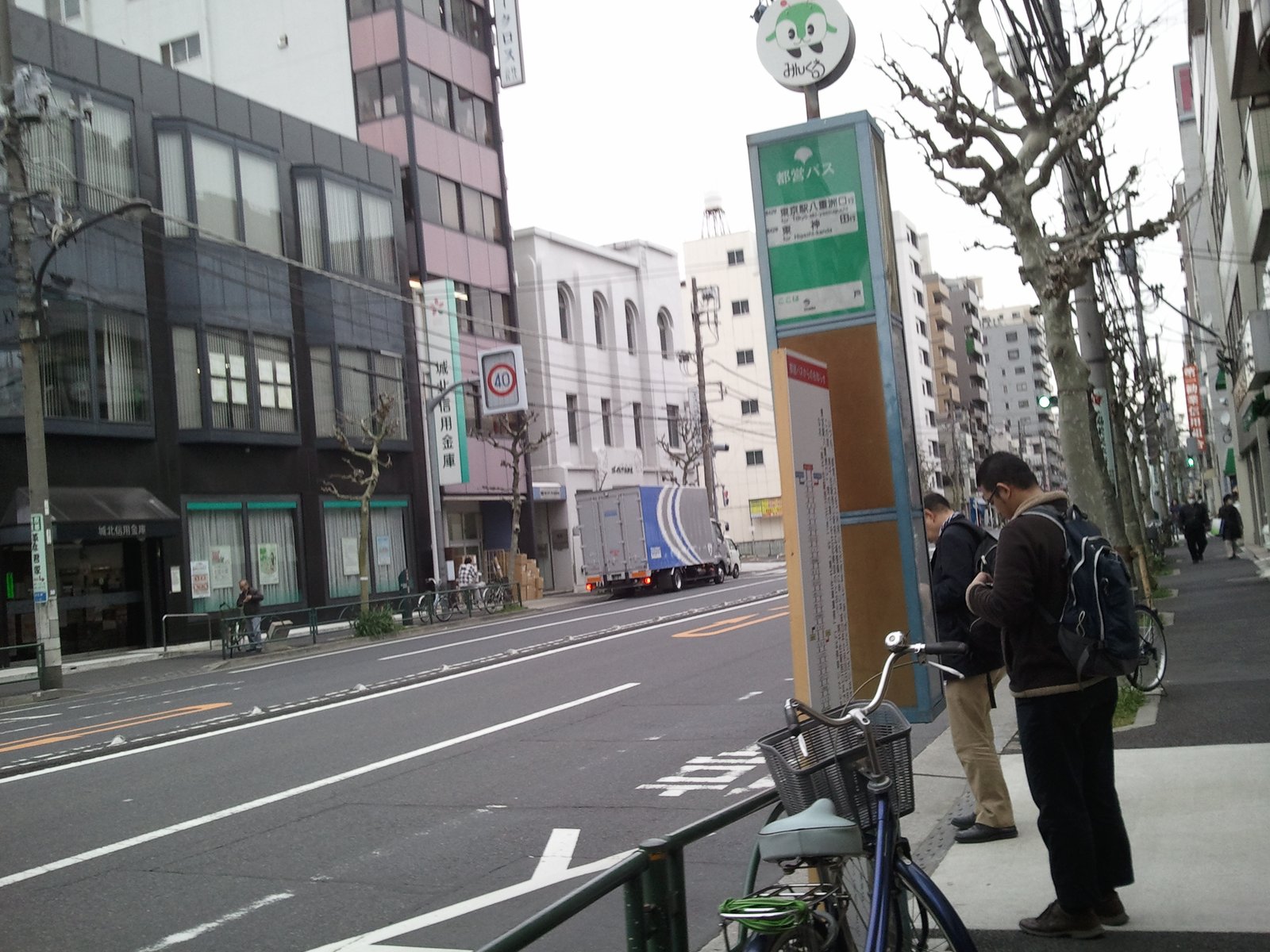
A quiet weekday street in Minamisenju
A weekday morning, two blocks from the station
Most days here look like this. Quiet. Workaday. Lived in. Minamisenju isn't a tourist neighborhood. It's where Tokyo's working week starts and ends. That's exactly the appeal — and what makes the rooms cheap.
How to use this notebook
A small shitamachi neighborhood in northeast Tokyo, a few stops from Asakusa. Old Tokyo. Cheap rooms, quiet streets, the river. Work through the sections in order, or jump to what you need.
  1. How much? — Live yen converter. See what a bowl of ramen, a capsule bed, or a bus ride actually costs in your own money.
  2. Itinerary — Pick the spots in and around Minamisenju. Assign days. Keep notes.
  3. Hotel — Where to sleep. Capsules, business hotels, and the cheap rooms this neighborhood is famous for.
  4. Map — A simple sketch of the area. Station, river, the streets that matter.
  5. Phrases — A handful of phrases for shopkeepers, station staff, and the small bars on Joyfull Minowa.
  6. Culture — Shitamachi etiquette. Small things that make a real difference around here.
  7. Packing — Seasonal checklist. Tokyo-specific items most guides forget.
  8. Walk — A short, hand-held film. Five minutes through the back streets, just to give you the sound and pace of the place.

Everything saves automatically in your browser. Use Export to download a copy.

03 — Itinerary

Days, not destinations.

You sleep here, maybe two or three nights, and use it as a base. Below are five short wanderings — all close, all on foot, all doable in a morning or a quiet afternoon. Pick what fits the weather, and the kind of day you've had.
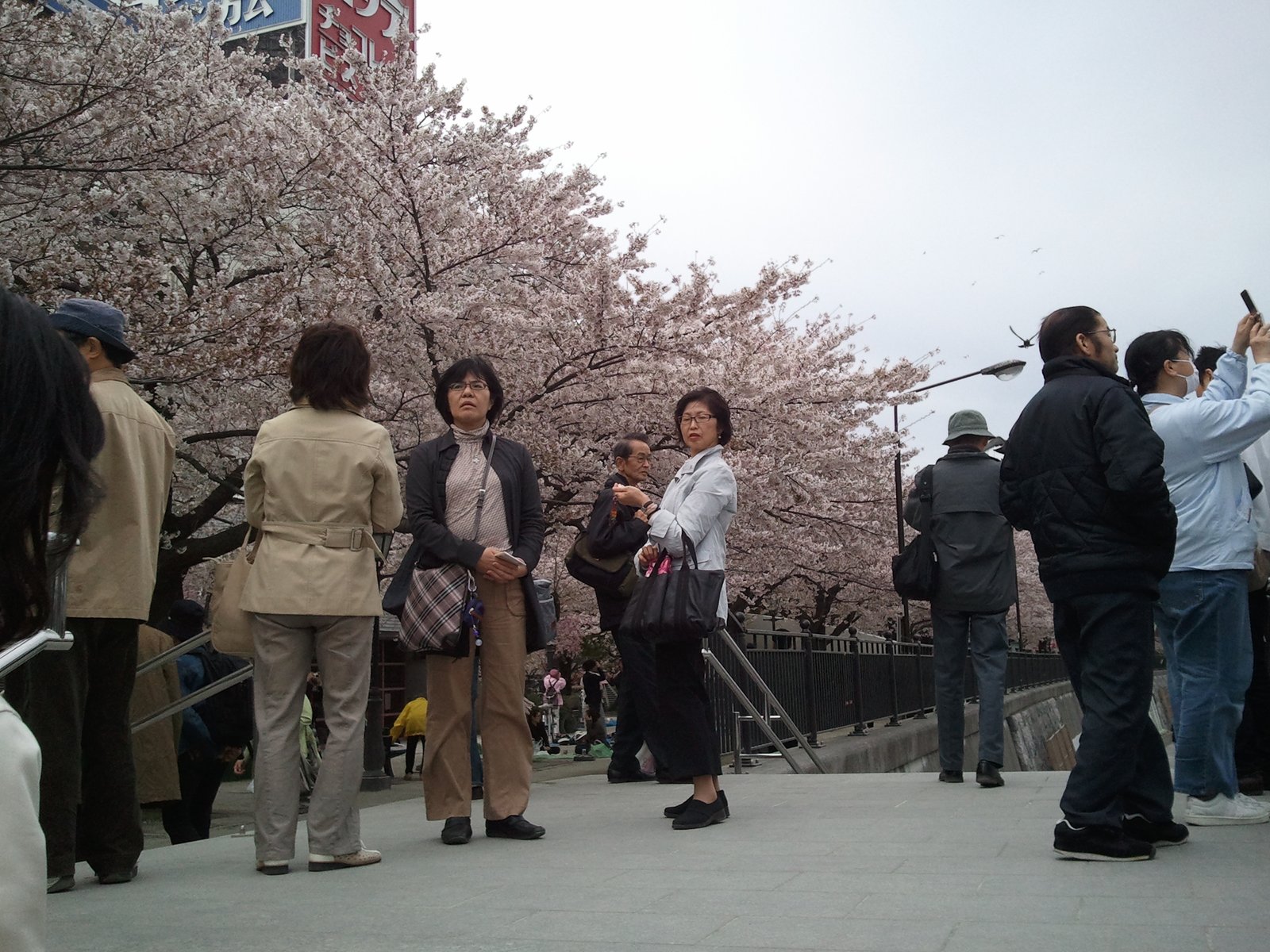
A slow walk in Minamisenju
A backstreet, not on any list
The best places here are the ones you didn't plan. Leave gaps. None of these walks needs a ticket, a reservation, or a guide. Bring a 500-yen coin for a coffee and good shoes.
01
The neighborhood loop≈ 30 min · on foot

Out the west exit of Minamisenju Station. Drift south through Joyfull Minowa — the covered shopping street, half closed up by mid-afternoon, a barber and a rice cracker shop holding the line. Cut east to the Sumida bend where the cherry trees lean over the water. Loop back through the yokocho lane and you're at your room. The single walk to do first, before anything else.

02
Yoshiwara, then and now≈ 1 hr · read first

South past Minowabashi, into the streets of the old Yoshiwara — Edo's licensed pleasure quarter for 250 years. Today: soaplands and quiet residential blocks. But the layout survives — the moat-shaped boundary, the gate-stones at Mikaeri Yanagi (the "looking-back willow"), the small Yoshiwara Jinja shrine. Read the history first or it's just a strip of neon. Read it first and the whole walk lands different.

03
Sumida riverside to Asakusa≈ 45 min · flat

East out of the station, down to the river. Follow the Sumida south on the path — past the Imado Jinja cat shrine, past the Hashiba ferry crossing, past joggers and the occasional fisherman. Arrive at Sensō-ji from the back, through Asakusa's quieter side. You'll skip the entire Nakamise crowd. The locals' way in.

04
Minowa & the Toden Arakawa tramwalk + 30 min ride

Walk fifteen minutes to Minowabashi, the eastern terminus of the Toden Arakawa Line — Tokyo's last surviving streetcar. ¥170 buys a ride past wooden houses, small temples, allotment gardens, all the way to Waseda. Step off anywhere. There's no wrong stop. Old Tokyo on rails.

05
Across the river to Kita-Senju≈ 1 hr · best at dusk

Over the Senju-Ohashi bridge, into a different shitamachi: bigger station, busier streets, more food stalls, more drinkers. The arcade between the station and the river is one of the best evening walks in north Tokyo. Eat standing up. Drink standing up. Walk back when the lanterns come on.

Your day
Sketch a single day. Stops, in order, one per line. Saves to your browser as you type.
Quick converter
Type any yen amount below
04 — Hotel

A neighborhood built for the thrifty traveler.

Minamisenju is famous in Tokyo for one thing: cheap, decent rooms. The streets between the station and the river hold capsule hotels and budget business hotels at prices the rest of the city forgot. A bed for the night, an early train in the morning. That's the deal.
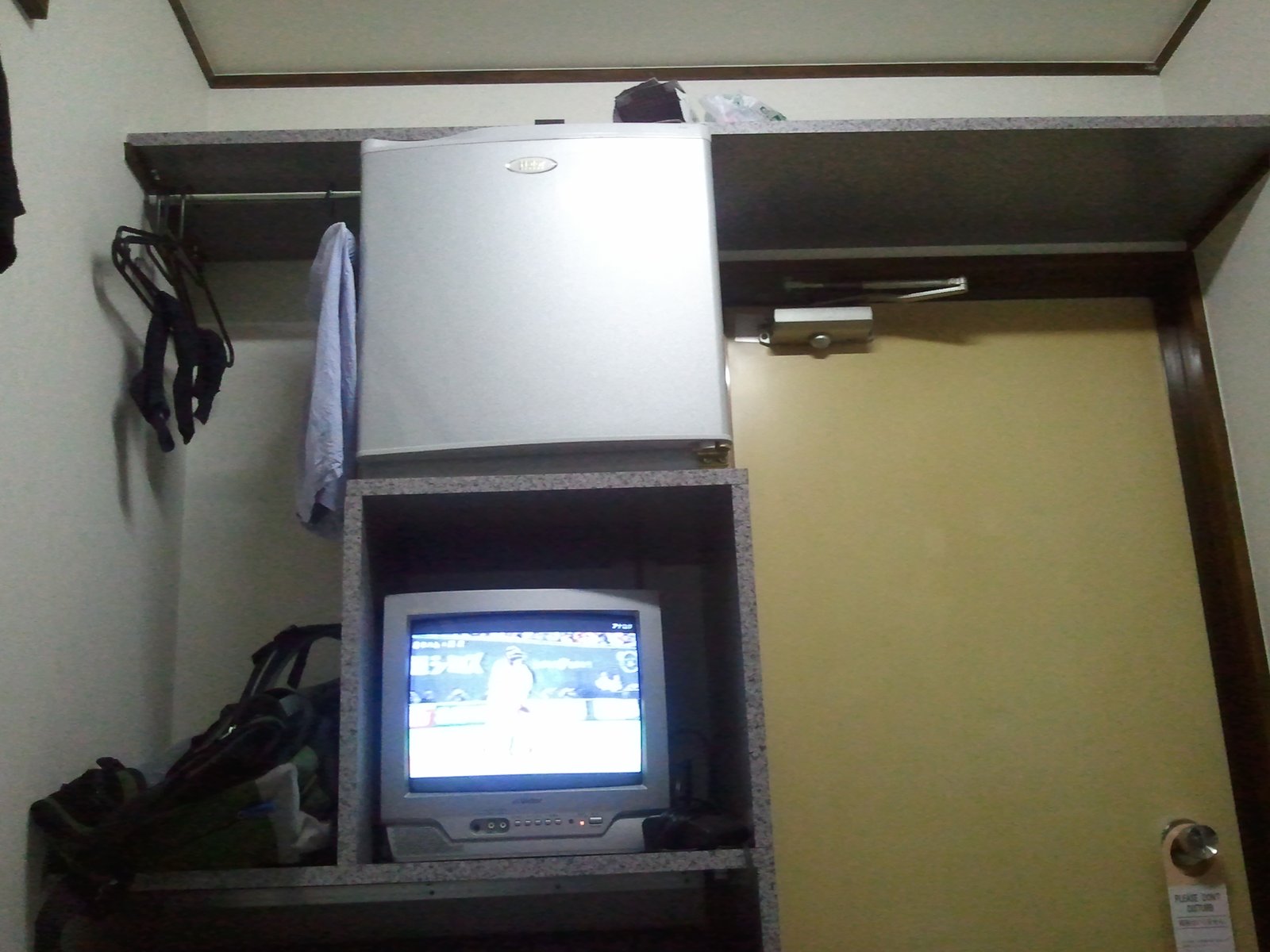
A small budget hotel room in Minamisenju
The room you came for
A fridge, a TV from another decade, hangers on the wall. Yours for ¥3,500 a night. Most budget rooms here are exactly this size — small, clean, a little dated, and quiet. The trick is not to expect more, and to enjoy that you didn't pay for it.
What you'll find here
A rough guide to the kinds of rooms in Minamisenju — what to expect, and what they cost per night.
Room type What it's like ¥ / night
Capsule hotel
Solo, men-only common
A bed-sized pod with a curtain. Shared bath, shared lockers. Quiet rules. ¥2,800–4,500
Budget business hotel
Solo or couples
A small private room. Tiny bathroom. TV from the late nineties. Always clean. ¥4,500–7,500
Backpacker hostel
Dorm or private
Mixed-language crowd, common kitchen, sometimes a small bar downstairs. ¥2,500–6,000
Mid-range hotel
Couples / families
A real double bed. A real desk. Same chain hotels as anywhere else, just cheaper here. ¥7,500–12,000

Worth knowing: Walk-ins still work at most capsule hotels. Business hotels are easier to book online (Rakuten Travel, Booking.com). Cash is normal. Many budget places ask you to vacate the room mid-day for cleaning and let you back in around 4 PM.

Your booking
Notes for the room you've picked. Useful at the front desk.
05 — Map

Where things actually sit.

The back streets around Minamisenju Station — just enough to get your bearings the moment you step off the train.

Minamisenju

Tap a pin on the map to see its name and address.
The pins, up close
  Spot From station
· Minamisenju Station. Joban & Hibiya lines. Three exits. Everything else fans out from here.
Hotel Juyoh. Your home base. 2−15−3 Kiyokawa, Taito-ku — the back streets south of the station, halfway to the Sumida. 8 min
Hoteiya. Your home base. 1−23−9 Nihonzutsumi, Taito-ku — same back-street block as Juyoh. 8 min
A short cycle. A 2-minute hand-held bike loop through the back streets — tap the pin to play. video

A note: Map data © OpenStreetMap · CARTO. Tap any pin to read about it.

06 — Nearby

A wider look around.

Three districts within a short train ride: Minamisenju at the top, Asakusa in the middle, Akihabara to the south. The Sumida river runs through, north to south.

Nearby Minamisenju

Three districts, ten minutes apart by train. The river runs through.

The districts
Where What it is
Minamisenju Your home base. Quiet shitamachi neighborhood, cheap rooms, the back streets that gave this notebook its name.
Asakusa Sensō-ji temple, the old entertainment quarter, the Sumida riverside path. The tourist center of old Tokyo — and home to the Asahi Beer Hall (the golden flame).
Akihabara ▶ Electric Town. Anime, manga, vintage games, retro electronics. Loud and bright. The opposite of Minamisenju in every way that counts. Tap the Akihabara label on the map to see a 90-second ride through.
07 — Phrases

Words for the shopkeeper.

In the bigger neighborhoods, English gets you most of the way. Around here, it doesn't. These are the phrases for the rice-cracker shop, the small izakaya, the sento attendant, the old woman behind the counter at the soba place. Effort alone earns more goodwill than perfect pronunciation ever will.

Small shop At the small shop or kombini
いらっしゃいませ
Irasshaimase
"Welcome" — what they say to you
You don't reply to this. A small nod is enough. The whole shop will say it.
これください
Kore kudasai
This one, please (while pointing)
いくらですか
Ikura desu ka?
How much is it?
ふくろはいりません
Fukuro wa irimasen
I don't need a bag
カードでおねがいします
Kādo de onegai shimasu
By card, please
げんきんでだいじょうぶです
Genkin de daijōbu desu
Cash is fine
Many old shops here only take cash. Don't expect cards at the rice-cracker place.
レシートおねがいします
Reshīto onegai shimasu
Receipt, please
ありがとうございます
Arigatō gozaimasu
Thank you (formal — use this one)
Izakaya At the izakaya counter
すみません、ひとりです
Sumimasen, hitori desu
Excuse me — one person
Hold up one finger. Counter seats are usually fine for solo diners; they may even prefer it.
カウンターでだいじょうぶです
Kauntā de daijōbu desu
The counter is fine
メニューおねがいします
Menyū onegai shimasu
Menu, please
おすすめはなんですか
Osusume wa nan desu ka?
What do you recommend?
Best phrase here. The chef will pick something they're proud of.
ビールください
Bīru kudasai
A beer, please
あつかんおねがいします
Atsukan onegai shimasu
Hot sake, please
おいしい
Oishii
Delicious
Worth saying out loud. The cook will hear, and you'll see it land.
もういっぱいおねがいします
Mō ippai onegai shimasu
Another one, please
おかいけいおねがいします
O-kaikei onegai shimasu
The bill, please
ごちそうさまでした
Gochisōsama deshita
Said as you leave — "thank you for the meal"
Sento At the sento (public bath)
はじめてです
Hajimete desu
It's my first time
Say this at the front desk. Most attendants will gladly walk you through the steps.
いっかいぶんおねがいします
Ikkaibun onegai shimasu
One entry, please
タオルかしてもらえますか
Taoru kashite moraemasu ka?
Can I borrow a towel?
せっけんはどこですか
Sekken wa doko desu ka?
Where is the soap?
いれずみがあります
Irezumi ga arimasu
I have a tattoo
Honest declaration. Some sento accept tattoos, some don't. Better to ask first than be turned away mid-undress.
ロッカーがあきません
Rokkā ga akimasen
The locker won't open
あつい / ぬるい
Atsui / Nurui
Hot / Lukewarm
There's usually a choice of bath. The "atsui" one is hotter than you think.
Directions Asking directions in the neighborhood
えきはどこですか
Eki wa doko desu ka?
Where is the station?
トイレはどこですか
Toire wa doko desu ka?
Where is the toilet?
ちかくにありますか
Chikaku ni arimasu ka?
Is it nearby?
あるいてどのくらいですか
Aruite dono kurai desu ka?
How long is it on foot?
まっすぐ / みぎ / ひだり
Massugu / Migi / Hidari
Straight ahead / Right / Left
いまあいていますか
Ima aite imasu ka?
Is it open right now?
なんじまでですか
Nan-ji made desu ka?
Until what time?
ちずをみせてもらえますか
Chizu o misete moraemasu ka?
Could you show me on a map?
Open Google Maps on your phone first, then ask. Easier than receiving a verbal explanation in Japanese.
Small talk Small talk for a small place
すみません
Sumimasen
Excuse me / sorry / thank you (all-purpose)
The single most useful word in Japanese. Learn this one first.
どうも
Dōmo
Thanks / hello (casual)
A short word that does a lot of work between regulars and shopkeepers.
いいてんきですね
Ii tenki desu ne
Nice weather, isn't it?
Universal opener. The "ne" at the end invites them to agree.
おつかれさまです
Otsukare-sama desu
"Thanks for your work" — said to people working
またきます
Mata kimasu
I'll come again
If you mean it. Means a lot in a small shop.
ゆっくりおねがいします
Yukkuri onegai shimasu
Slowly, please
わかりません
Wakarimasen
I don't understand
えいごをはなせますか
Eigo o hanasemasu ka?
Do you speak English?
Often the answer is "a little" — said apologetically. Smile and try anyway.
08 — Culture

Shitamachi etiquette.

Minamisenju isn't a tourist neighborhood — it's people's homes, their workdays, their commute. The rules below are the ones that matter for moving through a place that mostly hasn't been built for you. Get them right and you blend in. Get them wrong and you'll feel it: nothing said, just a small distance opening up.
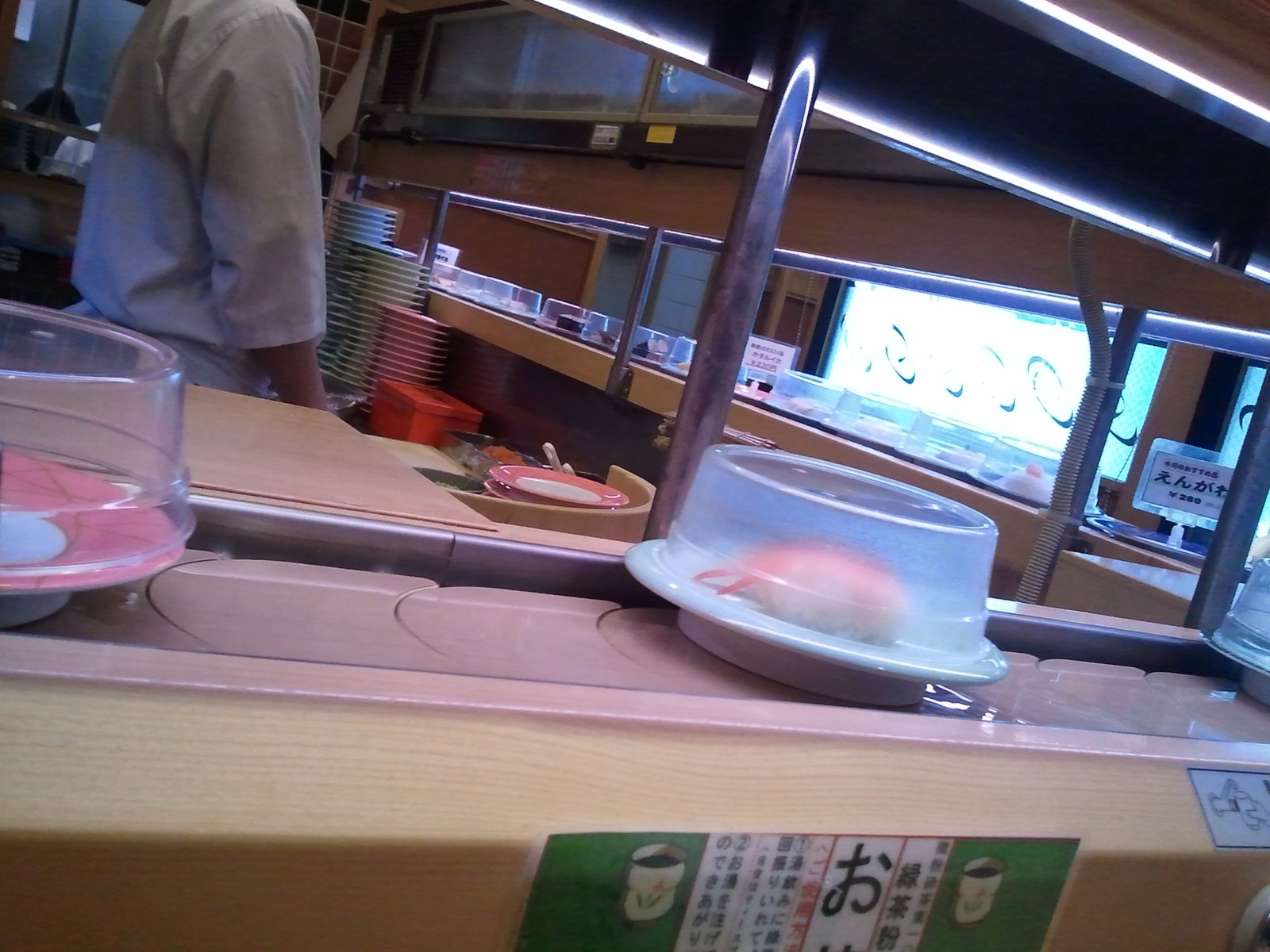
A counter and conveyor belt
The counter is where the neighborhood eats
You won't get it all right. That's fine. Effort alone earns enormous goodwill. What follows are the rules worth knowing for this kind of place — the rest you'll pick up by the second day.

The neighborhood

Walking through where people actually live.

Walk quietly through residential streets. Especially after dark. Voices carry between wooden houses; the street is also someone's bedroom wall.
Carry your trash. Public bins are rare. Pack a small bag for konbini wrappers and coffee cups until you find a station bin or your hotel.
Smoke only in marked zones. Most of Tokyo bans street smoking. Look for the painted yellow squares near stations or the small glass smoking booths.
Don't eat while walking. Even an ice cream draws looks. Sit on a bench, or eat outside the shop you bought it from, then walk on.
Don't photograph private homes or residents without asking. Shop fronts and street scenes are fine. Faces and front doors aren't.

The small shop

Where the relationship is older than you are.

Greet the shopkeeper. A small sumimasen or kon'nichiwa as you enter. They'll remember you came in correctly even if you don't buy.
Carry cash. Many shops here are cash-only. The rice-cracker shop, the tofu maker, the old camera place — ATMs at 7-Eleven take foreign cards.
Place money in the tray on the counter, not directly into the shopkeeper's hand. Same when receiving change.
Don't pick up and inspect packaged goods unless you're buying. In small shops, especially traditional ones, items on display are pristine for a reason.
Don't tip. It's not just unnecessary — it confuses. Exceptional service is considered the baseline.

The izakaya counter

The meal has its own choreography.

Wait to be seated — even in places that look casual. Hold up a finger for one, two for two. The host will point.
Pour for others, not yourself if you're with someone. They pour back. It's a quiet rhythm of attention; refusing it reads as cold.
Slurping noodles is expected — signals enjoyment, also cools the broth. Eating ramen quietly reads as odd.
Pay at the door on your way out, with the slip the staff slid onto the counter when you sat down. The bill rarely comes to your seat.
Never stick chopsticks upright in rice, or pass food chopstick-to-chopstick. Both mirror funeral rituals.

The sento

Public bathing is sacred and strict.

Wash completely first. Sit at a shower stall, soap and rinse from head to foot, then enter the bath. The water is for soaking, not for cleaning.
Small towel stays out of the water. Fold it on your head, or place it on the ledge while you soak.
Tie up long hair. It can't touch the water.
Be quiet. The sento is closer to a library than a swimming pool. Conversations stay low. Children get a single warning, then a louder one.
Tattoos are often a problem. Many sento still refuse entry. Ask first; some accept small tattoos with a cover patch.
No swimsuits. Full nudity is the norm. If that's a barrier, look for a private-bath sento or a ryokan room with its own.

Local shrines & temples

Active places of worship, not museums.

At a shrine — like Yoshiwara Jinja or Imado Jinja: bow once at the torii, purify hands and mouth at the chōzuya, then at the offering box: bow twice, clap twice, pray, bow once more.
At a temple: hands together, silent. No clapping. Same coin offering, same small bow.
A ¥5 coin (go-en) is the lucky offering — the word also means "connection."
No flash photography inside, and often no photos at all in main halls. Watch for signs — sometimes only printed on a small wooden plaque.

The Joban / Hibiya line

Silence is the default.

Phones on silent — "manner mode." No calls on the train. Texting is fine.
Queue precisely at the marked spots on the platform. Two lines, leaving a path in the middle for passengers exiting.
Priority seats exist for a reason. Give them up for elderly, pregnant, injured — or don't sit there at all if you're young and well.
Backpacks off, on the floor or held in front. Crowded morning trains demand it.
Don't eat on the local trains. Shinkansen is the exception — onboard bentō are a ritual. The Joban line isn't a Shinkansen.
09 — Packing

Pack for the Japan you'll actually meet.

Two truths: you'll walk more than you think (15–25km days are normal), and Japan has everything you forgot. Still, a few things are genuinely worth bringing from home.
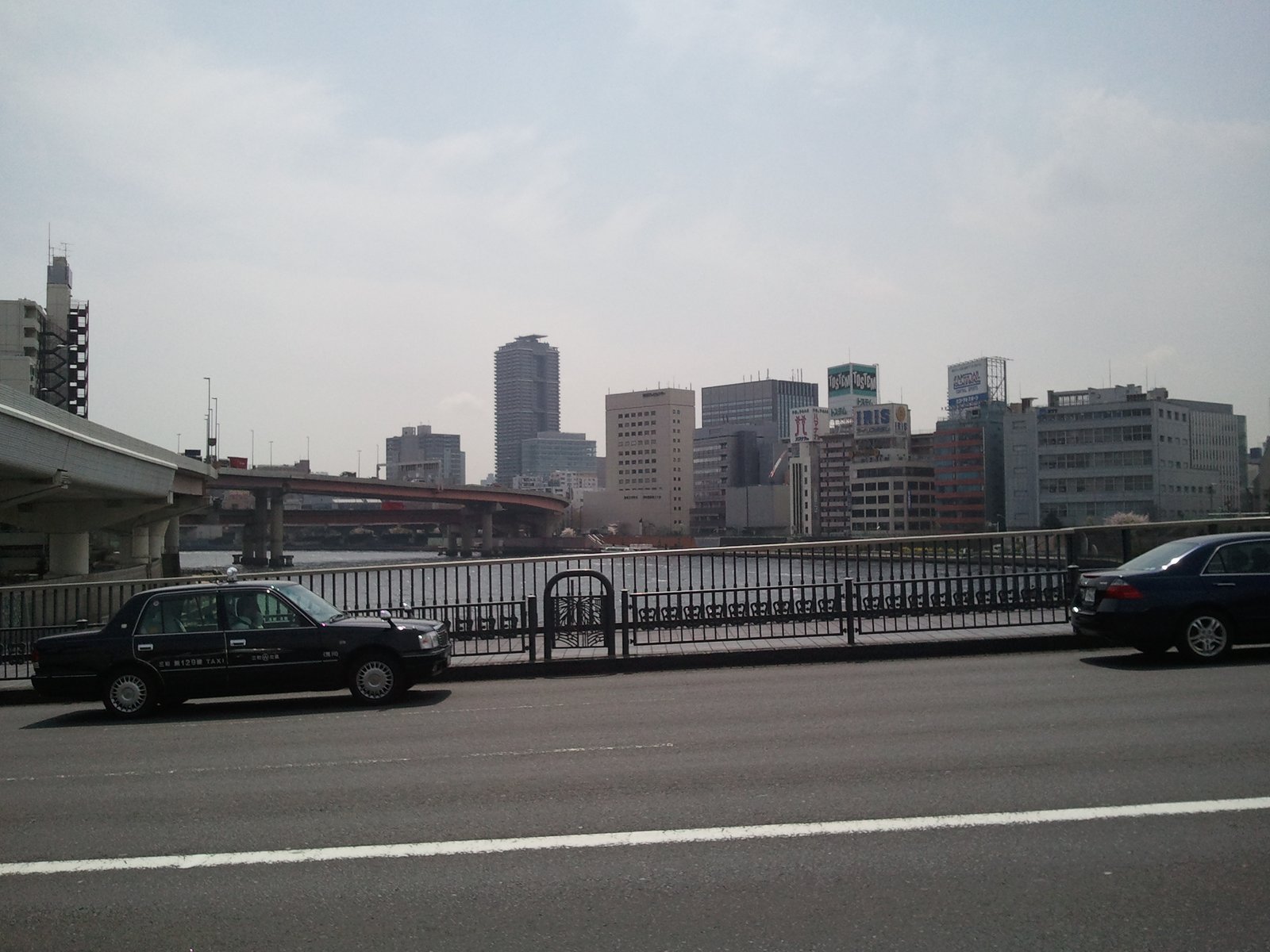
A season in Japan
Cherry blossoms or snowfall — plan for both
You will walk a lot. Pack light, pack comfortable. Pick the season below. The list adjusts. Nothing on it is a guess — it's what gets used.
What you can leave at home
  • Toiletries — every konbini has what you need, often better.
  • Heavy books or guidebooks — Google Maps, the Japan Travel app, and offline Wikipedia cover 95%.
  • Umbrellas — ¥500 at any konbini when it rains. Everyone has one.
  • Formal wear — unless you have dinner plans that require it, keep it casual.

Minamisenju, somewhere off Joyfull Minowa — a Wednesday afternoon

10 — Walk

A short walk through the back streets.

Hand-held, a little shaky, no narration. Five minutes from somewhere near the station, past low houses and shopfronts, the kind of streets you'll actually walk on. Sound on if you can — the city is half traffic, half cicadas, half nothing at all.

What you're seeing
Just an ordinary afternoon. A few blocks of low houses, a bicycle, the occasional shopfront. Nothing dramatic. That is, in some sense, the whole point of the neighborhood.